
Connection to the ESSAP network
If your land is within ESSAP's service area, the network extension is designed and processed with the company.
Connection to the ESSAP network, a sanitation board or your own system with an artesian well and tank. Design, paperwork and works.
Last updated: September 29, 2026
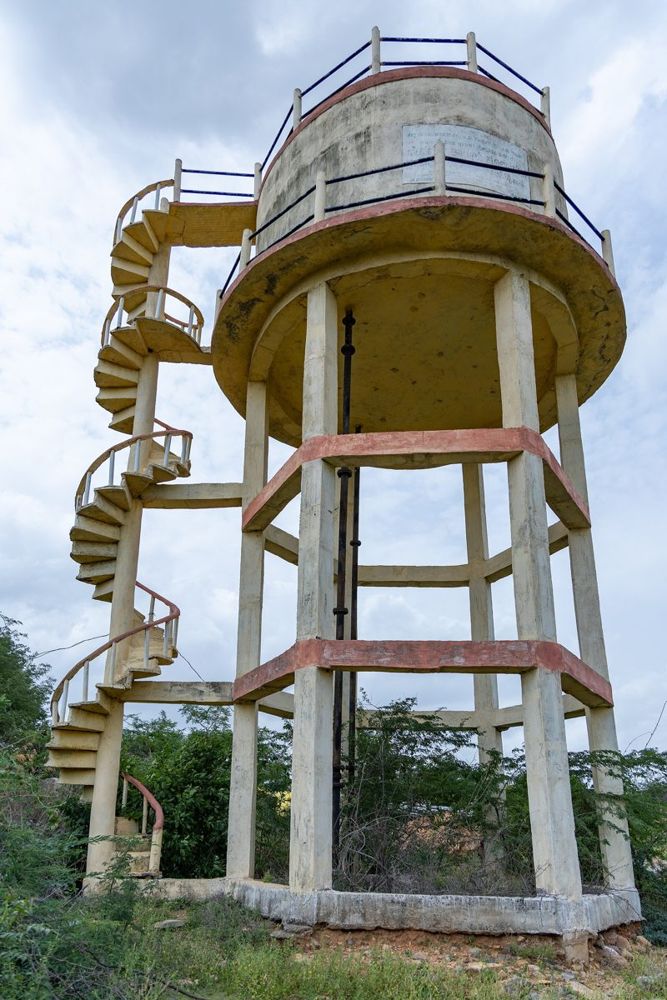
If your land is within ESSAP's service area, the network extension is designed and processed with the company.
In rural communities, SENASA provides technical assistance to the sanitation boards that run the system.
Artesian well, elevated tank and internal network to each lot, when there is no public network nearby.
Sometimes you start with your own system and prepare the network to connect to ESSAP later. We evaluate it with your case.
In urban areas and Greater Asunción the service is provided by ESSAP, regulated by ERSSAN under Law 1614/00. In small rural communities SENASA and the sanitation boards are involved. Where there is no network, the subdivision can have its own well-and-tank system. What is required before the subdivision is accepted is defined by each municipality's ordinance, and the technical conditions of the network are set by the provider. We check them in each project.
It depends on the chosen solution: meters of pipe, number of lots, depth and flow of the well if there is one, tank capacity, and the distance to the ESSAP network if one exists. We quote by item after the survey. We do not give prices per lot without knowing your land.
The use of groundwater is regulated by Law 3239/07. MADES must be consulted before drilling.
Confirm feasibility with ESSAP before selling lots using water as an argument.
Trenches must be dug before paving.
A tank or well that is just enough for the first year falls short once all the lots are occupied.
The subdivision chapter of Law 3966/10 does not list water among the works the owner must do after approval. The municipality's ordinance may require it, and for selling lots it is a decisive argument. We confirm what your municipality asks for.
ESSAP in the areas where it operates, SENASA and sanitation boards in small rural communities, or your own system with a well and tank where there is no network.
The use of groundwater is regulated by Water Resources Law 3239/07 and its regulation (Decree 7017/22). We handle whatever is required with MADES before drilling.
It depends on the solution (network, board or well), the meters of pipe and the number of lots. We quote after the survey.
In some cases, yes. The internal network is designed so it can be connected later. We evaluate it based on the distance to the ESSAP network.
Yes, and it is best done that way. Pipes and poles go in before paving so the finished street does not have to be opened.
Design, ANDE paperwork and works. See the service →
Grading, drainage and stone paving. See the service →
Blog guide. Read →
Tell us where the land is and how many lots it has and we will tell you which water solution fits.
Notice. Informational content. The rules, deadlines and values cited are indicative and may vary by municipality and service provider (ANDE, ESSAP, SENASA, MADES). Always confirm with the relevant body or municipality. It does not constitute legal, tax or engineering advice, nor a promise of profitability. Sources: Law 3966/10 Municipal Organic Law and its amendments (Laws 4198/10, 4715/12 and 5346), Decree 453/13, SET General Resolution 35/2020, ANDE standard No. 01.03.13 Rev. 1 and ANDE commercial procedures manual. Consulted on 09/29/2026.